Internet & Telecoms: Staying Connected in the TRNC
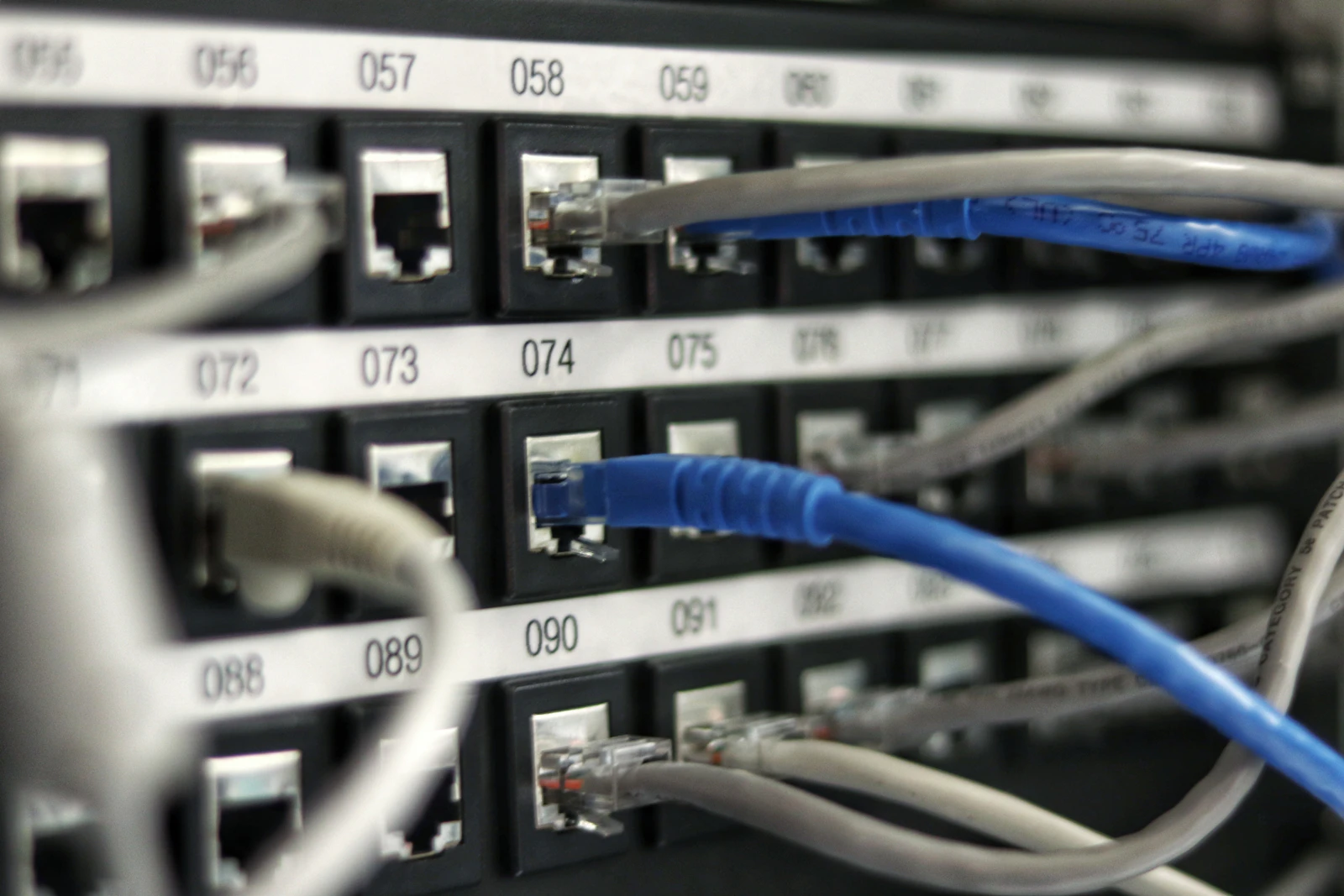
For digital nomads, remote workers, and retirees keeping in touch with family, reliable connectivity is non-negotiable. In recent years, Northern Cyprus has invested heavily in its digital infrastructure, transitioning from a slightly outdated system to a highly functional, fiber-optic-driven network.
1. The Mobile Networks: KKTCELL vs. Telsim
The mobile telecommunications market is a duopoly dominated by two major players: Kuzey Kibris Turkcell (KKTCELL) and Vodafone Telsim. Both networks offer extensive 4.5G (and rolling out 5G) coverage across the island. Competition is fierce, meaning both providers offer excellent data packages, robust mobile apps, and English-speaking customer service.
2. Tourist SIMs vs. Resident Contracts
If you are visiting to view properties, you can pick up a pre-paid "Tourist SIM" directly at Ercan Airport. These usually offer massive data bundles (e.g., 50GB for 30 days) for around £15. Once you obtain your residency permit, you can transition to a much cheaper monthly "post-paid" contract, which can be automatically deducted from your local bank account.
3. The "Unregistered Phone" Tax
Crucial for Expats: If you bring a foreign smartphone into Northern Cyprus and put a local SIM card in it, the government gives you a 90-day grace period. After 90 days, the phone’s IMEI will be blocked from the local networks unless you formally register the device and pay an import tax at the local customs office (BTHK). Many expats simply buy a mid-range smartphone locally to use as a hotspot to avoid this hassle.
4. Home Internet: The Wireless Revolution
Because the traditional underground copper wire infrastructure is outdated, the majority of homes in Northern Cyprus use "Line of Sight" broadband. A small receiver dish is placed on your roof, pointing at a local transmitter tower. Providers like Extend Broadband and Multimax offer unlimited data packages with speeds ranging from 20 Mbps to 50 Mbps, which is perfectly sufficient for 4K Netflix streaming and Zoom calls.
5. The Arrival of Fiber Optics
For those who require serious bandwidth, Fiber to the Home (FTTH) is rapidly expanding. Almost all new, luxury residential projects in regions like Long Beach (Iskele) and Esentepe are pre-wired with direct fiber optics. In these complexes, residents can easily access ultra-fast, highly stable connections of 100 Mbps or more. If working remotely is the plan, this makes the property you choose matter as much as the provider — our guide to off-plan vs. key-ready homes covers which new builds come connection-ready.
6. Setting Up Your Connection
Getting connected is incredibly fast. Unlike the UK where you might wait weeks for an engineer, local Internet Service Providers (ISPs) in Northern Cyprus typically install your roof receiver and home router within 24 to 48 hours of your request. Most companies offer "pay-as-you-go" monthly systems, meaning you are not locked into restrictive 12-month contracts.
7. Calling Home: VoIP and VPNs
Making standard international phone calls from a local SIM can be expensive. Fortunately, the entire expat community relies exclusively on VoIP apps like WhatsApp, Telegram, and FaceTime, which work flawlessly over the 4.5G networks. For accessing geo-blocked content from your home country (like BBC iPlayer or specific banking apps), a reliable VPN service (like NordVPN or ExpressVPN) is highly recommended.
8. Power Cuts and Internet Resilience
Historically, the island occasionally experiences brief, rolling power cuts during peak summer usage. If you work from home, it is vital to ensure your property has an automatic backup generator (standard in almost all new developments). Furthermore, purchasing a small Uninterruptible Power Supply (UPS) battery for your internet router ensures your Wi-Fi stays online even if the main grid drops for an hour.
Working remotely from the Mediterranean?
Fast fiber and backup power come built into most new developments — so the home you pick matters as much as the network. If you are planning a home office in the sun, see the new-build options and the real cost of living here.
Find a connected home →